
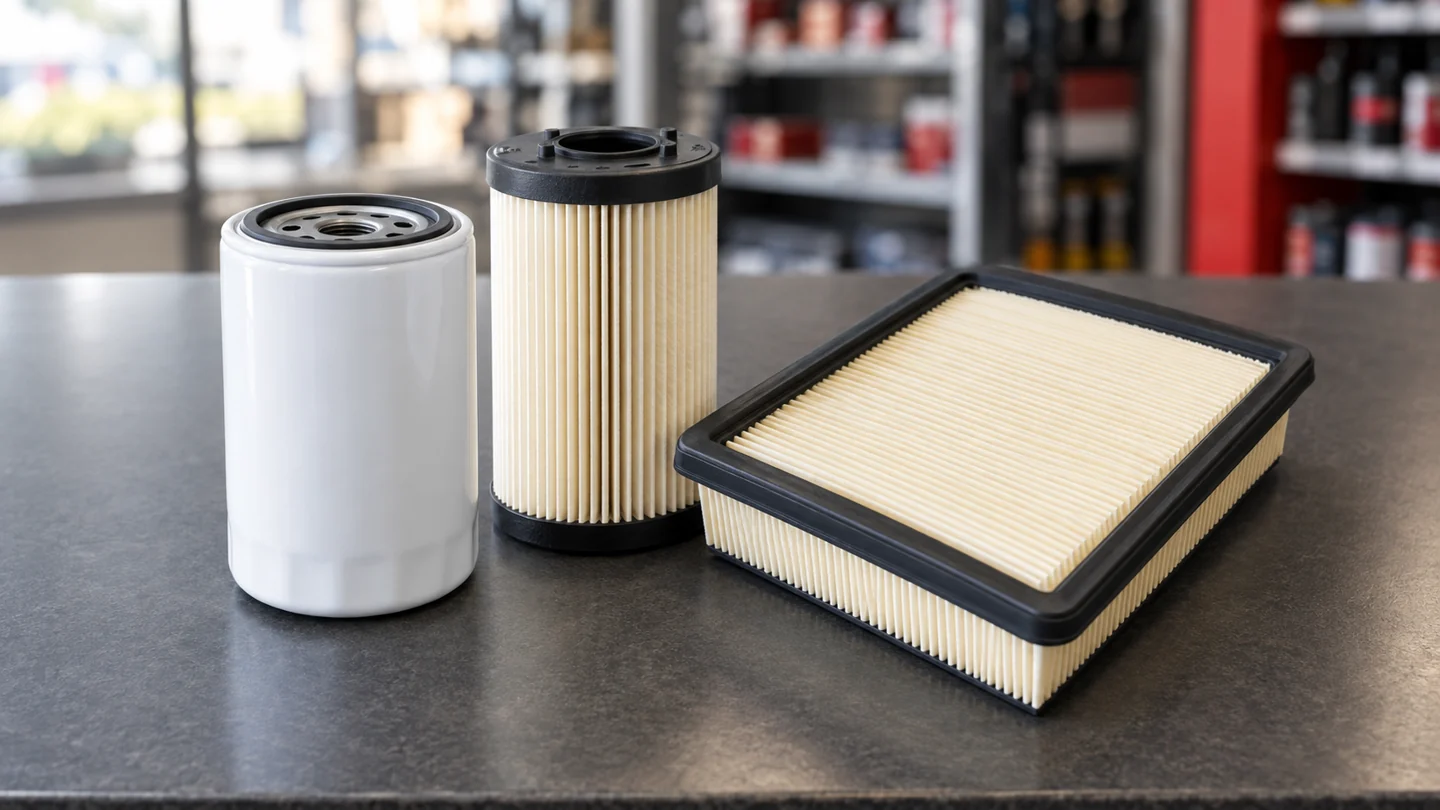
September diesel filtration planning in Decatur and Wise County starts with the equipment you actually operate. A pickup pulling a trailer, a highway tractor, and an agricultural machine may all burn diesel, but they do not necessarily use the same filters, fluids, or maintenance schedule. Before a busy stretch of hauling or field work, check the engine information, service records, and part numbers rather than buying by appearance alone.
Holmes Auto Supply is a retail parts and supply counter at 803 W Main St in Decatur. This guide helps you prepare a filtration shopping list, understand the specifications that matter, and recognize when a maintenance question belongs with a qualified technician. We supply parts; we do not change filters or service trucks. Call to check stock before making the trip, especially when a machine needs several different filter elements.
Planning Diesel Filtration for Decatur and Wise County
A useful fall review separates three questions: what is due by the manufacturer's schedule, what condition checks are required, and what symptoms need diagnosis. Treating all three as a request for a new fuel filter can miss the actual problem. Good records make that distinction easier.
Start with the year, make, model, engine designation, and engine serial number when applicable. A truck model may have more than one engine option, and an equipment model can change filtration arrangements during production. An old filter number is useful, but it should be checked against the application rather than assumed correct.
Describe how the equipment works. Extended idling, towing, field operation, and frequent short trips can affect maintenance requirements, but the applicable severe-service schedule comes from the equipment maker. Do not automatically cut every interval in half because the truck operates on a rural road.
Mileage, engine hours, and elapsed time may all matter. Record whichever measures the manual uses and identify the next service point before work becomes busy. If the previous service history is missing, ask the technician how to establish a documented starting point instead of inventing an interval.
Fuel Filters: Fit, Efficiency, and Water Separation
A replacement fuel filter must do more than screw onto the housing. The application can require a particular flow capacity, filtration efficiency, seal arrangement, water-separation capability, sensor connection, or heating provision. Similar-looking filters are not necessarily interchangeable.
A micron number by itself is incomplete. It identifies a particle size associated with the manufacturer's rating, while efficiency describes removal performance at the stated size under a particular test. Compare the complete specifications and application approval rather than selecting whichever package advertises the smallest number.
The same care applies to primary and secondary elements. Some diesel systems have more than one fuel-filter stage, and their functions and service procedures differ. Identify each position from the manual or parts information; do not assume every two-filter system has the same plumbing arrangement.
Holmes lists diesel fuel filters, fuel/water separators, and related filtration products among its heavy-duty truck parts. Bring the application details and existing numbers so the counter can help check the match. Availability of a particular element still needs a stock check.
Check what is included in the replacement package. A housing may reuse a bowl, drain, sensor, or cap while requiring new seals in specified locations. Do not assume a filter listing includes every service item, and do not reuse a damaged component merely because the new element fits.
Water Separators and Contaminated Fuel
Use the equipment manual to determine whether the separator needs a visual check, a scheduled drain, or action following a water-in-fuel warning. There is no universal weekly interval or drain procedure that covers every pickup, truck, and farm machine.
A warning deserves prompt attention according to the manufacturer's instructions. The absence of a warning does not replace the specified inspection routine. Repeated water accumulation also calls for investigation of the fuel source and storage system, not simply repeated draining while work continues.
Separator service can involve hot components, fuel exposure, ignition hazards, and a particular priming sequence. Follow the documented procedure only if you are trained and equipped to perform it. Otherwise, have a qualified technician handle the work and explain what was found.
Never loosen common-rail injection lines to bleed air or search for a fuel leak with your hand. High-pressure fuel can cause an injection injury, and suspected injection exposure requires immediate medical attention. A parts-buying guide is not a procedure for opening the high-pressure side of a diesel system.
Keep fuel and collected drain fluid contained and away from drains, soil, and ignition sources. Arrange appropriate disposal through a suitable local waste-handling option. A clean work area and a correctly labeled container matter just as much as having the correct replacement element ready.
For equipment supplied from a storage or transfer tank, maintain the tank, dispenser filtration, and handling equipment as a separate system. Note where fuel was purchased or transferred if problems begin. Appearance alone cannot establish fuel cleanliness or rule out contamination.
Filter Replacement: Follow the Specific Procedure
The safe starting point is the exact engine and filter manufacturer's service information. Seal lubricant, tightening method, priming, allowable cranking, and inspection steps can differ. A general instruction copied from another truck may be wrong for the machine in front of you.
Prefilling deserves particular caution. Donaldson advises avoiding routine prefilling and explains that the large center opening is generally the clean outlet on a liquid spin-on filter, though designs vary. Pouring fluid into that opening can bypass the media; follow the applicable instructions rather than improvising a fill path (Donaldson installation guidance).
Do not assume diesel fuel is always the correct gasket lubricant or that every filter tightens by the same number of turns. Use the lubricant and tightening specification stated for the actual component. Keep packaging and instructions available until the technician has confirmed the installation requirements.
Plan for a clean service environment. Dirt around a housing, contaminated tools, an uncovered replacement element, or an unsuitable fluid container can defeat the purpose of installing a new filter. Leave new parts protected until needed and keep dirty removed components separate from clean supplies.
After service, the technician should follow the manufacturer's checks before returning the equipment to work. Record the installed part numbers, date, hours or mileage, and any follow-up recommendation. If a new warning or starting problem appears, stop guessing and have the service procedure and system checked.
Oil Filters and Engine-Oil Specifications
Oil-filter selection is also application-specific. Housing dimensions and threads are only part of the match; flow characteristics, seals, and the system's bypass arrangement matter. A bypass valve may be part of the filter or located elsewhere in the lubrication system, depending on the engine.
Do not describe a bypass valve as permission to extend service indefinitely. It is part of the engine's designed oil-flow protection, not a maintenance strategy. Use the specified filter and the applicable oil-change schedule, including the manufacturer's severe-duty criteria where relevant.
Holmes carries filters, fluids, gaskets, and other auto parts for maintenance planning. When assembling an oil-service list, include the correct oil specification and quantity from the manual, along with any seals or drain components the procedure requires.
Choosing between 15W-40 and 10W-30 is not simply a question of Texas weather. The viscosity must be permitted for the engine and operating conditions, and the oil must meet the required service category and manufacturer approvals. Two containers with the same viscosity can have different suitability.
In particular, API says FA-4 oils are not interchangeable or backward compatible with CK-4 and several earlier diesel categories. An XW-30 label alone is therefore not enough to approve a substitution; consult the engine maker's requirements (API oil-category guidance).
Bring the manual's specification or a clear record of the required product to the counter. For older equipment with superseded specifications, seek a documented current recommendation. The brands we carry page is a starting point for product questions, not a substitute for engine-specific approval.
Air Filters, Restriction, and Dusty Work
Intake filtration needs attention on trucks and equipment that operate around dust, but appearance alone is not a complete service indicator. Use the manufacturer's inspection schedule and restriction limit when the system has an appropriate indicator. A dirty-looking element does not automatically require immediate replacement.
Do not routinely tap, wash, or blow out a disposable element unless its manufacturer specifically permits a cleaning procedure. Damaged media or seals can allow contamination past the filter. Replacing a damaged element is different from cleaning a serviceable component designed for that purpose.
Some housings use a primary element and a secondary safety element. Identify both from the parts information and follow their separate service instructions. Removing the safety element unnecessarily can expose the clean side of the intake during service, while leaving a required replacement undone creates a different problem.
Inspect the housing, latches, seals, and intake connections according to the maintenance procedure. A damaged duct downstream of the element can undermine otherwise correct filtration. Do not treat a restriction reading as proof that the entire intake system is sealed and healthy.
When buying an element, confirm the part number, sealing design, and housing application. Panel and radial elements need the correct fit; forcing a similar-sized filter into place is not an acceptable match. Keep spare elements sealed, dry, and protected from crushing or contamination.
Coolant and Hydraulic Filters Need Their Own Checks
Not every diesel uses a coolant filter. Where one is fitted, the replacement must match the engine's coolant program, including whether an additive charge is required or prohibited. The same thread size does not establish that a charged or uncharged element is appropriate.
Identify the coolant already in the system and follow the manufacturer-approved maintenance and testing procedure. Do not add chemicals based only on fluid color or a general claim that more protection must be better. Incompatible products or the wrong concentration can create additional problems.
Hydraulic filters on associated equipment also belong on a separate application list. Pressure, return, and suction locations are not interchangeable merely because the filters look alike. Include the machine model, serial number, filter location, and any specified seals when requesting a match.
Hydraulic systems can retain dangerous pressure and support raised loads. Have service performed using the equipment manufacturer's isolation, support, and pressure-release procedures. Never loosen a fitting to investigate a suspected pressurized leak or use your hand to locate it.
A Wise County Fall Filtration Shopping Checklist
Use a written list for each vehicle or machine rather than one combined note marked “diesel filters.” Separate required purchases from items awaiting diagnosis. The table below keeps the shopping conversation focused without treating symptoms as confirmed component failures.
| Item to identify | Information to bring | Question to resolve |
|---|---|---|
| Fuel filtration | Engine details and each filter position | Which elements and seals does this application require? |
| Oil service | Approved oil specification and filter number | Are the selected oil and filter correct together? |
| Air filtration | Housing application and element numbers | Is a primary, safety, or complete set required? |
| Coolant filter | Engine details and coolant program | Does the application use a charged or uncharged element? |
| Hydraulic filtration | Machine serial number and filter location | Which circuit and pressure requirements apply? |
Before the visit, check that part numbers are legible and distinguish letters from similar-looking digits. Include any manufacturer suffixes rather than shortening the number. A missing suffix can change the component being requested.
If you bring an old part, contain residual fluid and protect it for transport. The old part helps identify dimensions and connections, but it does not prove a previous installation was correct. Vehicle and equipment information remain important even when a sample is available.
For a fleet, label the list by unit number and keep separate service records. Two otherwise similar trucks may have different engines, filtration upgrades, or production changes. A clear unit-by-unit list helps avoid putting the correct filter on the wrong vehicle's shelf.
Stocking a suitable spare can reduce a future interruption, but storage conditions still matter. Keep seals and filters in their packaging and protect them from dust and moisture. Recheck application information before using a spare that has been sitting for a long time.
Separate a symptom report from the parts list. Write down when the problem occurs, whether it began before or after service, and any exact warning message. That information helps the technician investigate without turning a counter purchase into an unsupported diagnosis.
If a machine has been modified, note the change before requesting a replacement. An added separator or aftermarket housing may use a different element from the original factory arrangement. Record the housing identification and installation documentation rather than assuming the vehicle identification number describes every component now fitted.
Finally, check the list against what is already stored at the shop. Read package labels and confirm quantities before buying duplicates. Keep questionable, opened, or unidentified items apart from usable stock so they are not accidentally installed during a rushed maintenance day.
Planning a Trip to the Decatur Counter
Our Decatur location information and Bridgeport area information can help you plan a parts trip. Wherever your equipment operates in Wise County, calling with the list first is more useful than assuming every filter variation is on the shelf.
Holmes Auto Supply is at 803 W Main St, Decatur, TX 76234. Hours are Monday through Friday, 8:00 AM to 5:30 PM, and Saturday, 8:00 AM to 1:00 PM. We are closed Sunday, so plan around the Saturday early close when organizing weekend maintenance.
Call (940) 627-2350 to check stock with the vehicle or machine information and the parts you need. For items that are not available, ask the counter about sourcing and the current expected timing. Do not base a maintenance deadline on an assumed arrival date.
Holmes is a parts counter, not a diesel repair facility. We can help identify the products being requested, but diagnosis, installation, and system testing belong with the technician doing the work. That separation helps you arrive with a useful list and realistic expectations.
Frequently Asked Questions from Wise County Diesel Owners
How often should a diesel fuel filter be changed?
Use the schedule for the exact engine and operating conditions, including any manufacturer-defined severe-duty requirements. Mileage, hours, elapsed time, and condition warnings may all matter. Do not automatically halve the interval because a truck works in Wise County, and do not assume a power-loss symptom proves that the filter is the cause.
Does Holmes Auto Supply change filters or service trucks?
No. Holmes is a retail parts and supply counter in Decatur, not a truck repair shop. We supply filtration products and help check the requested application's details. A qualified technician should handle diagnosis and service when the work requires training, specialized procedures, pressure release, or evaluation of a continuing engine problem.
Should a water separator be checked without a warning light?
Follow the inspection and draining requirements in the equipment manual even when no warning is displayed. Different systems have different routines, and there is no single drain procedure for every diesel. Repeated water accumulation needs investigation of the fuel supply; it should not become a reason to keep draining and ignore the cause.
Is 15W-40 or 10W-30 right for a working diesel?
The correct answer comes from the engine manufacturer's approved viscosity range, operating conditions, and required oil specification. Neither grade is universally correct for Wise County trucks. Bring the specification as well as the viscosity to the counter, because oils with similar front labels can carry different service categories and engine approvals.
Can a dirty air filter simply be blown out?
Not unless the element manufacturer specifically permits that cleaning method. Follow the application’s inspection and restriction guidance instead of judging only by appearance. Damaged media, seals, or intake ducts need attention even if the engine still runs normally. Keep replacement elements protected until installation and follow separate instructions for any safety element.
What information should I bring before a fall parts trip?
Bring the year, make, model, engine details, relevant serial number, and readable filter numbers for each machine. Identify the filter positions and required fluids rather than asking for a generic diesel kit. Call (940) 627-2350 to check stock, and see our counter FAQ for store hours and common purchasing questions.